
Welcome to this week's special edition of our Perfect 10.0 PT Enlightenment newsletter!
This week we continue to dive deeper into Biomechanics in Gymnastics
In gymnastics, force transfer is the secret behind higher jumps, faster sprints, and precise landings. Mastering this concept can elevate an athlete’s performance while reducing injury risk.
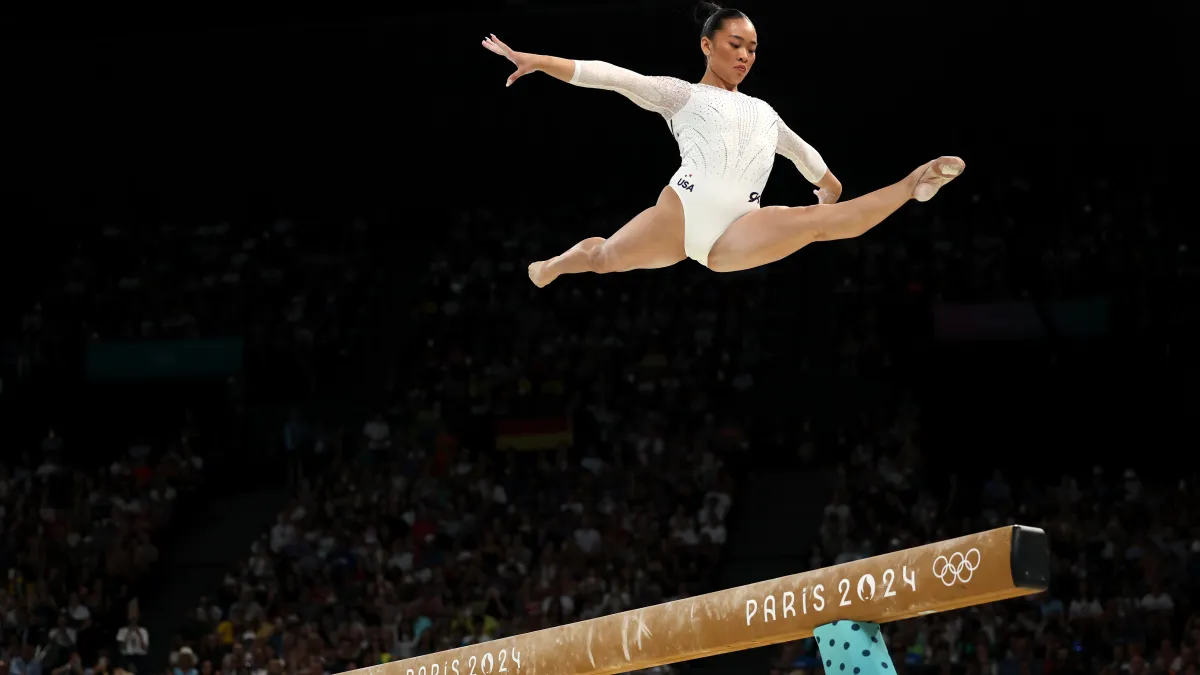
Suni Lee balance beam during for women's gymnastics at the 2024 Olympics Source: 5 Chicago
What is Force Transfer?
Force transfer refers to the efficient movement of energy through the body and into the apparatus. When executed correctly, athletes maximize power output with minimal energy loss.
Why is Force Transfer Important?
-
Boosts Performance: Enhances height, speed, and control in skills.
-
Reduces Injury Risk: Poor force transfer leads to what I call “bleeding out” energy and contributes to overloading of tissues and inefficient movement patterns= INJURY!.
-
Optimizes Training Efficiency: Helps athletes get better results from their workouts.
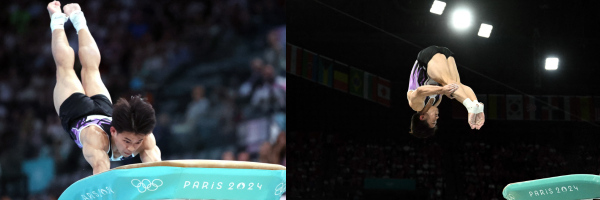 Carlos Yulo during artistic gymnastics men's vault final during the Paris 2024 Olympic Game. Source: ABS CBN Sports News (left) & The Guardian News (right)
Key Elements of Effective Force Transfer
-
Mobility & Stability: Certain joints (like the ankles and hips) need mobility, while others (like the knees and core) require stability to direct force properly.
-
Proper Alignment: Maintaining the right posture ensures optimal energy transfer.
-
Strong Core Engagement: A strong core stabilizes movement and prevents energy leak, like building a house on a solid foundation verse on gravel.
-
Equipment Interaction: Understanding how force interacts with gymnastics equipment (springboards, bars, etc.) can maximize efficiency.
We invite you to watch this priceless discussion with me and Dr. Gerald George.
Thank you for being a part of our journey.
To your success,
Brandi Smith
Connect with us 


Perfect 10.0 Physical Therapy and Performance Training
Perfect 10.0 PT Academy Online Courses